
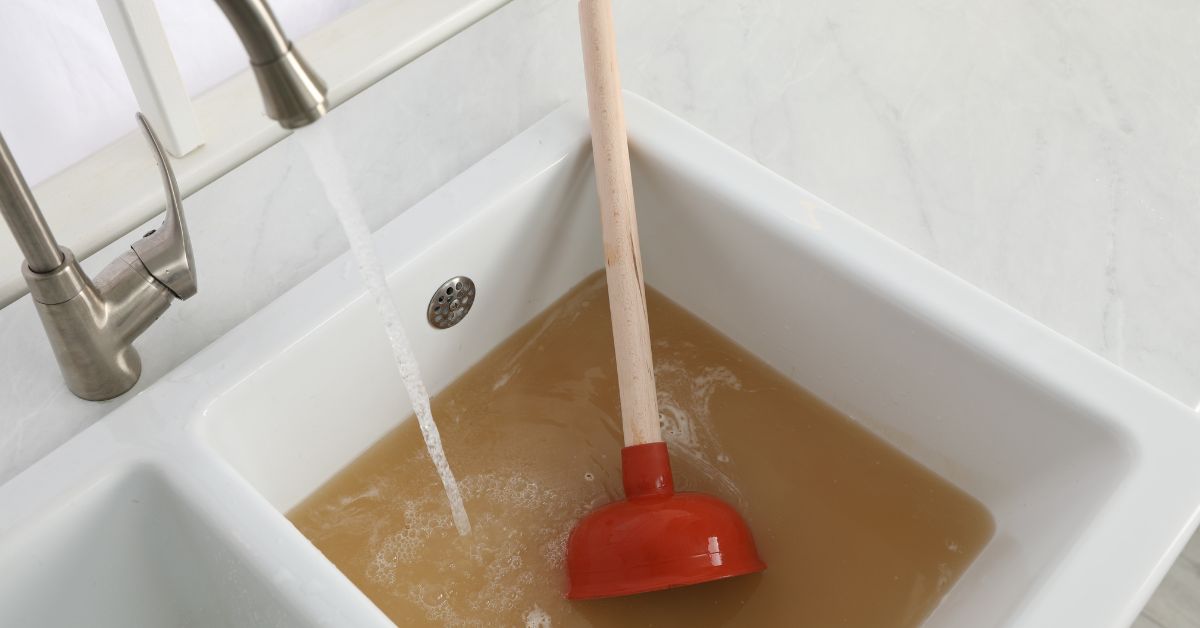
Clogged drains are one of the most common plumbing issues homeowners face. While some blockages are minor and easy to fix, recurring clogs can lead to water damage, unpleasant odors, and costly repairs. Understanding the most frequent causes can help you prevent them and keep your plumbing running smoothly.
1. Hair Accumulation
Hair is a leading cause of clogs, especially in bathroom sinks and showers. Over time, strands of hair combine with soap scum and form stubborn blockages. Use a drain strainer and clean it regularly to prevent buildup.
2. Grease and Oil
Pouring cooking grease or oil down the kitchen sink might seem harmless, but these substances solidify in your pipes and trap debris. Always dispose of grease in the trash rather than down the drain.
3. Food Particles
Food scraps that aren’t properly disposed of can accumulate and clog your kitchen sink. Avoid putting fibrous foods like celery or potato peels down the garbage disposal, and run cold water while using it.
4. Soap Scum
Over time, soap residue can build up inside your pipes, especially when combined with hard water minerals. Regularly flushing drains with hot water helps reduce soap buildup.
5. Small Objects
Accidentally dropping small items like jewelry, bottle caps, or children's toys down the drain can create blockages. Keep sink stoppers in place and supervise young children around drains.
6. Hard Water Deposits
Mineral deposits from hard water can narrow pipes and slow drainage, eventually leading to clogs. Installing a water softener or regularly cleaning drains can minimize this issue.
7. Toilet Paper Overuse
Using excessive toilet paper or flushing items like wipes, paper towels, or feminine hygiene products can clog your toilet. Stick to flushing only toilet paper and human waste to keep drains flowing.
8. Tree Roots
Tree roots can invade underground pipes, causing serious blockages. Watch for slow drains or gurgling sounds, and address these issues quickly with professional help.
9. Old or Damaged Pipes
Aging or deteriorating pipes can trap debris, leading to frequent clogs. Replacing old pipes with modern plumbing materials can prevent recurring issues and reduce repair costs.
10. Improper Plumbing
Improperly installed or angled pipes can create areas where debris collects. Ensuring your plumbing is correctly installed and regularly inspected helps maintain proper drainage.
Preventing Clogged Drains
Regular maintenance, mindful disposal practices, and prompt attention to slow drains are key to preventing clogs. Using strainers, running hot water, and scheduling professional inspections can save you time, money, and frustration.
Call Mr. Drain for Professional Drain Care
Clogs are more than just a minor inconvenience—they can lead to serious damage if left unchecked. Mr. Drain provides expert drain cleaning, inspection, and repair services to keep your plumbing running smoothly. Don’t wait until a small blockage turns into a major problem—contact us today at (530) 658-0972 for professional assistance.