
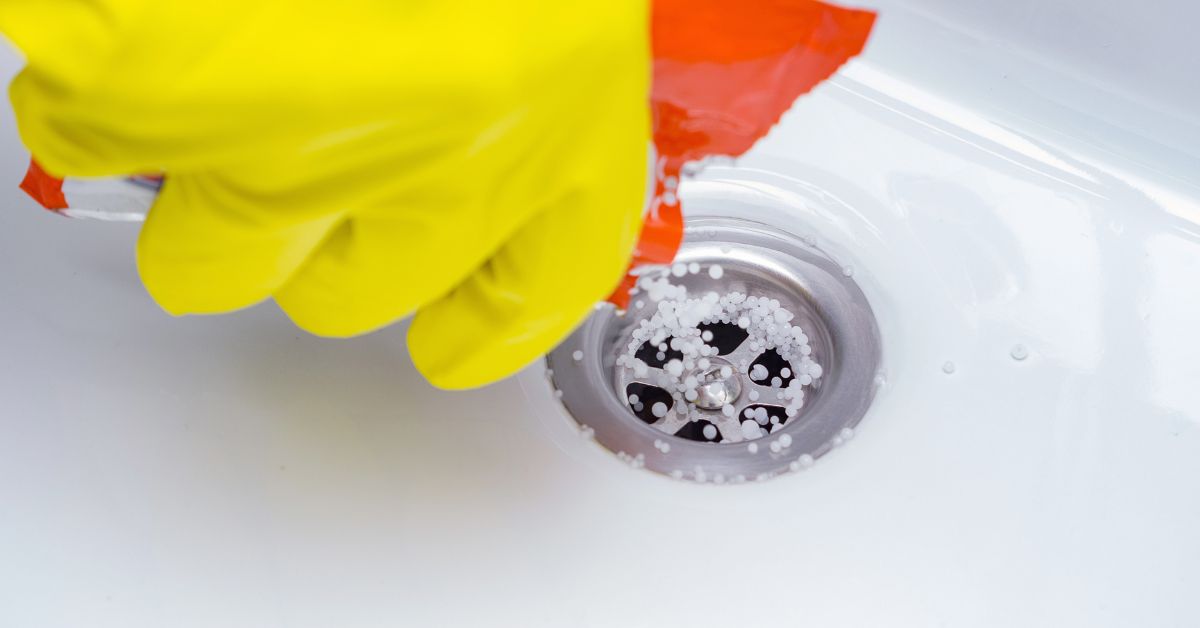
Clogged drains are one of the most common household annoyances. Many homeowners attempt DIY solutions to clear blockages, but not all methods are safe. Using the wrong approach can damage your pipes, worsen the clog, or even lead to costly repairs. At Mr. Drain, we help homeowners understand safe and effective ways to maintain their plumbing.
Safe DIY Drain Cleaning Methods
1. Boiling Water
Pouring boiling water down a drain is one of the simplest and safest methods to tackle minor clogs caused by soap, grease, or small debris. This can help dissolve buildup without harming your pipes.
2. Manual Removal
For bathroom drains clogged with hair, a drain snake or a simple hook tool can effectively remove blockages. This method is safe and avoids the use of harsh chemicals.
3. Baking Soda and Vinegar
A combination of baking soda and vinegar creates a natural chemical reaction that can help break down minor clogs. Pour baking soda into the drain, followed by vinegar, let it sit for 15–30 minutes, then flush with hot water. This is a safe alternative to commercial drain cleaners.
4. Plungers
A standard plunger can remove clogs in sinks, showers, and toilets. Using a plunger correctly generates suction that dislodges blockages without damaging pipes.
DIY Methods That Can Damage Your Plumbing
1. Harsh Chemical Cleaners
Many over-the-counter drain cleaners contain strong acids or lye. While they may temporarily clear a clog, these chemicals can corrode pipes, especially older metal plumbing, and harm septic systems. Repeated use increases the risk of serious damage.
2. Wire Hangers or Improper Tools
Using a wire hanger or other makeshift tools can scratch or puncture pipes, worsening the clog or creating leaks. Always use proper plumbing tools if attempting manual removal.
3. Excessive Force
Forcing a plunger or snake too aggressively can damage seals or pipe joints. Gentle, methodical pressure is safer and more effective.
4. Overuse of Hot Water
While boiling water is effective in moderation, pouring extremely hot water repeatedly down PVC pipes can soften or warp them, causing long-term damage.
Preventing Clogs Before They Start
The best way to deal with drain problems is to prevent them. Some helpful tips include:
Use drain strainers to catch hair, food particles, and debris.
Avoid pouring grease, oil, or coffee grounds down sinks.
Educate household members on what should never be flushed.
Schedule regular professional maintenance to keep drains flowing freely.
When to Call a Professional
Even with careful DIY methods, some clogs require professional expertise. Recurring clogs, foul odors, or slow drains may indicate deeper issues, such as pipe damage, tree root intrusion, or sewer line problems. In these cases, a professional plumber can identify the root cause and provide a long-term solution.
Protect Your Pipes and Home
While DIY drain cleaning can solve minor issues, improper methods can create bigger problems. Knowing what’s safe and what can damage your pipes ensures that small clogs don’t turn into costly repairs.
For persistent drain problems or professional advice on safe cleaning methods, contact Mr. Drain at (530) 658-0972. Our experienced team can provide reliable solutions to keep your plumbing running smoothly.